Interview tips and tricks
Use this page to prepare a spokesperson before a media interview, campus Q&A, broadcast segment, or recorded conversation.
Start here
Align before anyone goes on record.
Most reporter questions are best handled by email, but some opportunities are live, recorded, or on camera. Before moving forward, designate the spokesperson and make the Chartwells Communications team aware so they can help guide the response.
Before saying yes
- Confirm who is requesting the interview and what outlet they represent.
- Ask what the story is about and what questions or topics they expect to cover.
- Confirm whether it is live, recorded, in person, phone, video, or written Q&A.
- Share the request with Chartwells Communications before moving forward.
Use interviews when
- A local TV station is covering an event or new opening.
- A spokesperson can clearly explain the dining experience, program, or impact.
- The team has approved messages, logistics, and a clear story goal.
- The interview can help educate students, guests, or the public.
Remember: Any interviews must be vetted with the Chartwells Communications team before moving forward. Email checommunications@compass-usa.com when you need support.
Key message
Know the one thing the audience should remember.
An interview is not just a question-and-answer period. You can help guide the flow and reinforce the point that matters most.
Choose the takeaway
Write down the main idea you want people to remember after watching, reading, or hearing the story.
Keep it simple
Use plain language. Avoid acronyms, internal terms, and industry jargon that a student, parent, or neighbor may not know.
Prepare proof points
Have a few examples, numbers, visuals, or human details ready so the message feels specific and credible.
Use the final question
If the reporter asks, "Is there anything else you'd like to add?", use that moment to restate the key point.
Think about the audience at home, not just the reporter in front of you. The best answers sound like a helpful conversation with someone who is new to the topic.
Practice
Practice out loud before the interview.
It is easy to focus on logistics and forget rehearsal. Speaking a message is different from reading or thinking it, so practice enough that the core point feels natural.
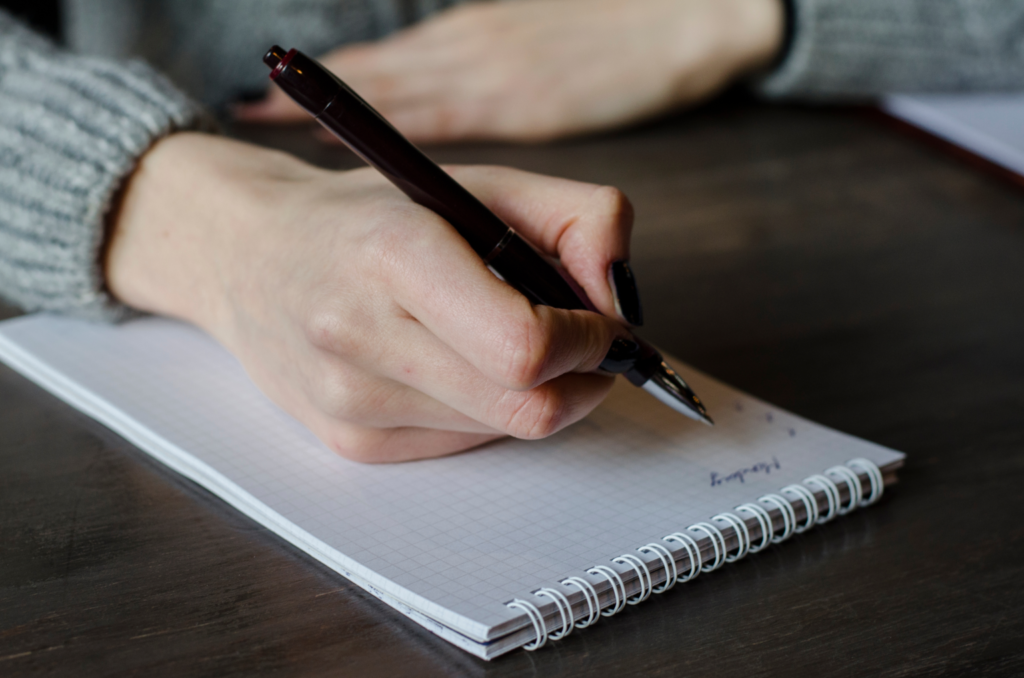
Write the answer
Draft the clearest version of the message in one or two sentences.
Say it aloud
Practice in the car, in the shower, with a teammate, or with family and friends.
Listen for jargon
If the answer sounds too internal, simplify it until it sounds conversational.
Prepare for the close
Have one final point ready in case the reporter gives you room to add something.
During the interview
Stay helpful, clear, and aware that nothing is off the record.
Reporters gather stories for a living. Even when the expected story is positive, treat every conversation around a reporter or camera crew as public.
Do
- Take an active role by guiding answers back to the approved message.
- Pause before answering so the response is focused.
- Educate and inform the audience with simple, useful context.
- Smile, stay relaxed, and let your personality come through.
Don't
- Speculate, guess, or answer questions outside your area of knowledge.
- Use "off the record" as a safety net.
- Overload the answer with acronyms or internal language.
- Forget the audience is everyone reading, listening, or watching later.
If you are asked something you cannot answer, it is better to say you will follow up than to guess.
On camera
Make the setting support the story.
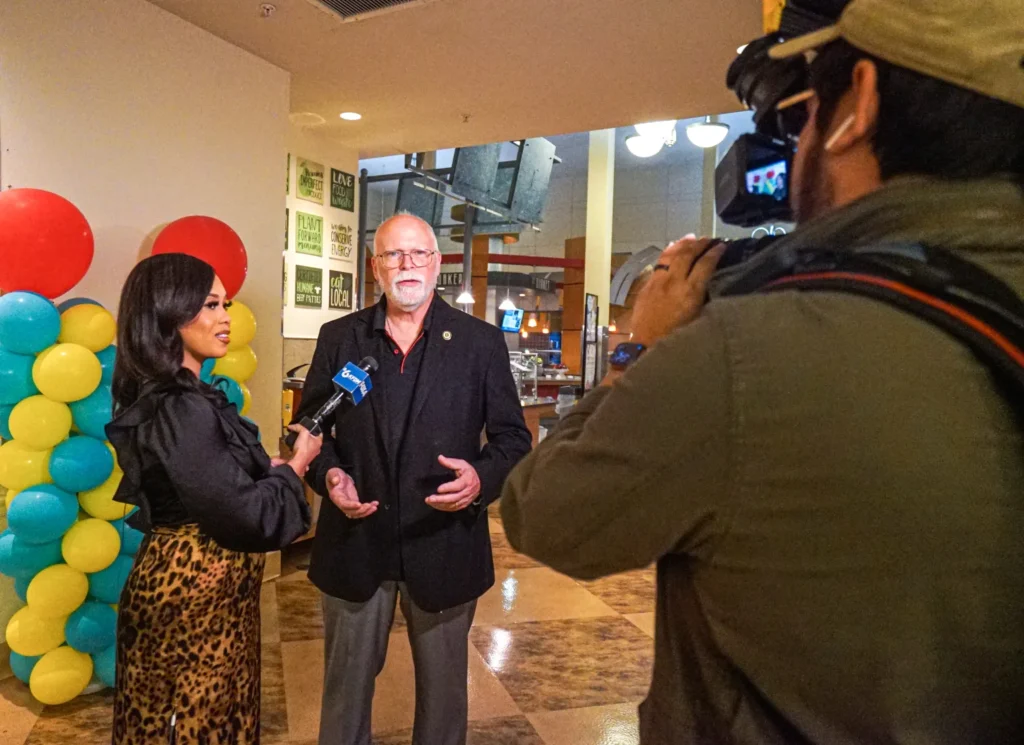
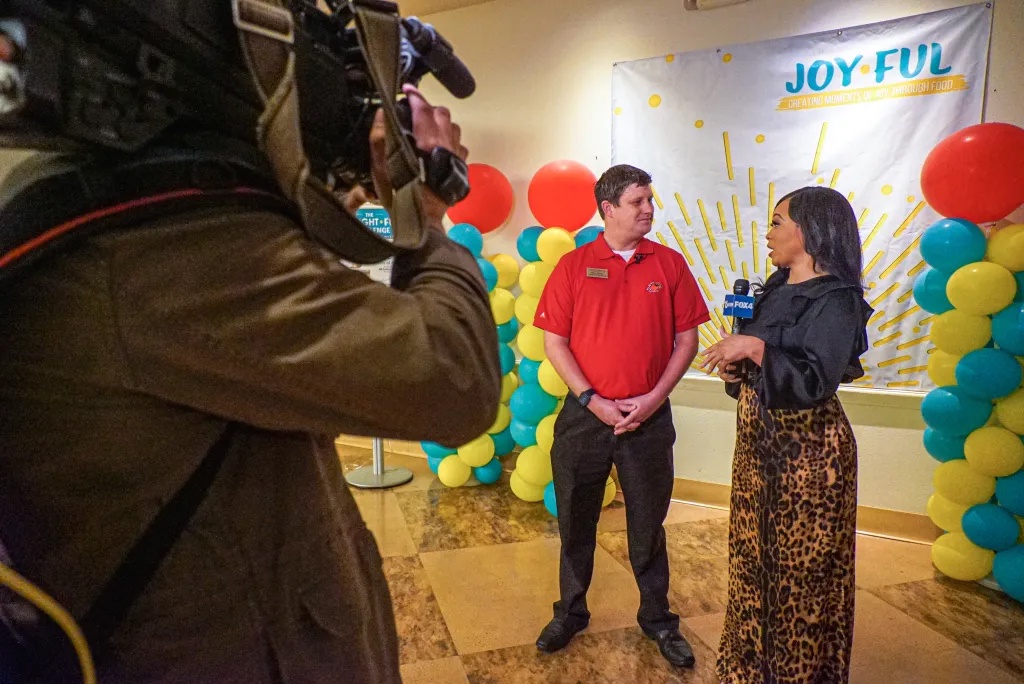
For live press opportunities, local TV, event coverage, and recorded conversations, the visual environment matters as much as the quote.
Before filming
- Choose a clean, relevant location with good lighting and minimal background noise.
- Know where to look and whether the reporter wants full sentences.
- Keep branded visuals, food, event action, or people nearby when they strengthen the story.
While filming
- Speak clearly and slow down slightly.
- Keep answers concise, then stop talking.
- Use examples that students, guests, or viewers can picture quickly.